
Handloom rugs represent centuries of Indian craftsmanship. These handwoven masterpieces combine ancient techniques with contemporary designs, making them perfect for modern homes. When you buy modern rugs crafted by skilled artisans, you're investing in both quality and cultural heritage.
Finding authentic handloom rugs requires knowing where to look and what to examine. This guide will help you locate the best sources for quality handloom rugs across India, from established retailers to local markets.
What Makes a Quality Handloom Rug
Before you shop carpets, understand the key features that distinguish premium handloom rugs from mass-produced alternatives.
Material Quality
Natural fibers create the best handloom rugs. Wool provides durability and warmth, while cotton offers affordability and easy maintenance. Silk adds luxury and creates intricate patterns with stunning sheen. Jute works well for casual spaces and eco-conscious buyers.
Check the fiber consistency throughout the rug. Quality handloom pieces use uniform materials without synthetic blends that compromise longevity.
Weaving Techniques
Hand-knotted rugs represent the highest quality tier. Each knot gets tied individually, creating dense, durable construction. Hand-tufted options offer good quality at lower prices, while flat-weave rugs provide contemporary appeal with minimal pile.
Examine the back of any rug you consider buying. Handwoven pieces show irregular patterns and slight imperfections that confirm authentic craftsmanship.
Design and Color
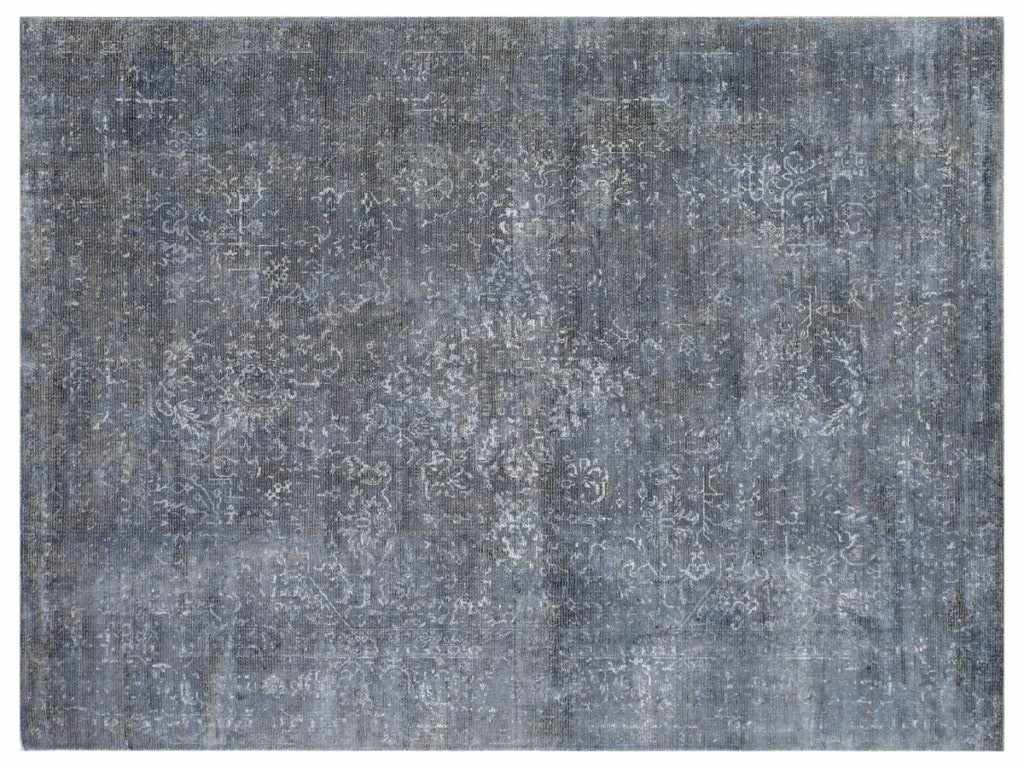
Modern handloom rugs blend traditional motifs with contemporary aesthetics. Look for pieces that complement your decor while showcasing skilled artisan work. Color fastness matters—quality rugs maintain their vibrancy without bleeding or fading quickly.
Top Destinations for Handloom Rug Shopping
Several regions across India specialize in handloom rug production, each offering unique styles and shopping experiences.
The Ambiente - Premium Choice
The Ambiente leads the market for modern handloom rugs in India. Their curated collection features contemporary designs crafted by master weavers. The company maintains strict quality standards and offers both online shopping and physical showrooms.
Their rugs combine traditional techniques with current design trends, perfect for buyers seeking modern aesthetics without sacrificing craftsmanship quality.
Rajasthan Markets
Jaipur's markets overflow with handloom options. The Pink City's weavers create geometric patterns and bold colors that suit contemporary interiors. Local markets like Johari Bazaar offer direct access to manufacturers, though quality varies significantly.
Bikaner specializes in camel wool rugs with distinctive textures. These pieces work well in modern spaces seeking natural, sustainable materials.
Uttar Pradesh Hubs
Varanasi produces silk rugs with intricate patterns and rich colors. The city's weavers excel at creating detailed motifs that elevate any room's design.
Mirzapur focuses on wool and cotton rugs with geometric designs. This region offers excellent value for buyers seeking quality without premium pricing.
Kashmir Valley
Despite political challenges, Kashmir continues producing exceptional handloom rugs. Kashmiri artisans create silk and wool pieces with detailed Persian-inspired patterns. These rugs command high prices but offer unmatched quality and beauty.
Online Platforms
Several online retailers specialize in authentic handloom rugs. These platforms connect buyers directly with artisan communities while offering convenient shopping experiences.
Research seller credentials and read customer reviews before purchasing. Reputable online stores provide detailed product descriptions, clear return policies, and authentic artisan stories.
Smart Shopping Tips
Verify Authenticity
Real handloom rugs show slight irregularities in pattern and texture. Machine-made alternatives appear perfectly uniform. Check for certification from government bodies or craft councils that verify handloom authenticity.
Ask sellers about the weaving process and artisan community. Knowledgeable retailers share detailed information about their products' origins and construction methods.
Price Negotiation
Expect to negotiate prices, especially in local markets. Start at 60-70% of the quoted price and work upward. Quality rugs cost more than machine-made alternatives, so extremely low prices often signal inferior materials or construction.
Consider the rug's size, material, knot count, and design complexity when evaluating price fairness. Complex patterns and premium materials justify higher costs.
Rug Care Considerations
Understand maintenance requirements before you buy modern rugs. Silk pieces need professional cleaning, while wool options handle home care better. Ask sellers about appropriate cleaning methods and frequency.
Factor ongoing care costs into your purchase decision. High-maintenance rugs might not suit busy households or high-traffic areas.
Supporting Artisan Communities
When you shop carpets from handloom producers, you directly support traditional craft communities. These artisans preserve ancient techniques while adapting to modern market demands.
Fair trade practices ensure artisans receive reasonable compensation for their skilled work. Look for retailers who maintain transparent supply chains and support weaver welfare programs.
Buying directly from artisan cooperatives maximizes your purchase's positive impact. These organizations often provide weaver training, healthcare, and community development programs.
Regional Specialties to Consider
Different regions create distinct rug styles suited to various interior design preferences.
Rajasthani rugs feature bold geometric patterns and vibrant colors that complement contemporary decor. Gujarat produces cotton dhurries with modern geometric designs at affordable prices.
West Bengal specializes in cotton and jute rugs with subtle patterns perfect for minimalist interiors. Odisha creates appliqué rugs with unique textures and contemporary appeal.
Making Your Final Choice
The best place to buy modern handloom rugs depends on your specific needs, budget, and shopping preferences. The Ambiente offers premium quality with modern designs, while regional markets provide authentic experiences and direct artisan access.
Consider your long-term needs when selecting rugs. Quality handloom pieces last decades with proper care, making them worthwhile investments despite higher upfront costs.
Visit multiple sources before deciding. Compare quality, pricing, and service levels to find retailers who match your expectations and values.
Remember that authentic handloom rugs represent more than floor coverings. They're artistic expressions that connect your home to centuries of Indian cultural heritage while supporting continued artisan traditions.



Write a comment ...